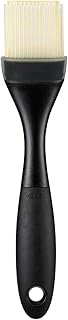
A pastry brush is used to apply coatings, glazes, washes, and fats to food surfaces before, during, and after baking. The material and design of the brush determine how it applies liquid, how it cleans, and how long it lasts.
What a Pastry Brush Is Used For
Pastry brushes handle a range of baking and cooking applications: egg wash on pastry for browning and shine; butter or oil on bread and rolls; simple syrup glaze on baked goods; milk or cream wash on pie crust before baking; brushing excess flour off dough; applying sauce or oil during grilling or roasting; greasing baking pans.
Types of Pastry Brushes
Flat Pastry Brush
The standard design — flat bristles fanned out in a rectangular head. The most common type for most pastry and baking applications. Available in widths from 1 to 3 inches. A 1.5-inch brush is the most versatile width for home baking.
Round Pastry Brush
Cylindrical bristles that taper to a round point. Better for covering irregular surfaces and reaching into crevices. Less commonly used than flat brushes but preferred by some pastry cooks for their flexibility around shapes.
Bristle Materials
Silicone
Silicone pastry brushes are the most practical choice for most home bakers. They do not shed bristles (a common problem with natural bristle brushes), are heat-resistant, non-porous, dishwasher safe, and do not absorb bacteria or odors. The main trade-off is that silicone bristles apply liquid in a heavier, less even coat than natural bristles — they release liquid in droplets rather than a uniform film. For egg wash and simple syrup this is typically fine; for very thin washes where an absolutely even coat matters, natural bristles perform better.
Natural Bristle (Boar Bristle)
Natural bristle brushes hold and release liquid in a thinner, more uniform coat than silicone. This is important for applications where an even, thin wash is the goal. The trade-offs: natural bristles shed, particularly when the brush is new; they are more difficult to clean thoroughly; they can harbor bacteria if not cleaned and dried properly; they degrade faster than silicone. A natural bristle brush requires hand washing and thorough drying after each use.
Nylon
Nylon bristles are a synthetic alternative to natural bristle. They apply liquid more evenly than silicone but are easier to clean than natural bristle. A middle-ground option that is less common than silicone or natural bristle.
Handle
Wood handles look traditional and feel good in the hand but can crack if exposed to excessive moisture (do not soak wooden-handled brushes). Stainless steel handles are more durable and dishwasher safe. Silicone handles provide a non-slip grip.
Cleaning and Hygiene
After use with egg or dairy products, clean the brush immediately. Dried egg wash in bristles is very difficult to remove. Silicone brushes can be put directly in the dishwasher. Natural bristle brushes should be hand washed in warm soapy water, rinsed well, and hung to dry completely. A bristle brush that is stored while damp develops mildew.
What to Look For
For most home bakers, a 1.5-inch silicone pastry brush with a comfortable handle is the most practical choice. It is easy to clean, does not shed, and handles all standard pastry brush applications well. OXO and Ateco make quality silicone pastry brushes that perform reliably. For bakers who want the most even egg wash coating, a natural bristle brush (with a commitment to proper cleaning) produces a superior finish.
Summary
A pastry brush is a fundamental baking tool that handles glazing, washing, and coating tasks across dozens of recipes. Silicone is the practical modern standard — easy to clean, hygienic, and durable. Natural bristle produces a finer coat but requires more maintenance.
You can check more details and current options on Amazon here.