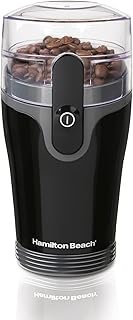
A spice grinder produces fresh ground spices with significantly more flavor and aroma than pre-ground alternatives. Understanding the options — from dedicated spice grinders to repurposed coffee grinders — helps you choose the right tool for your spice use.
Why Grind Your Own Spices
Whole spices retain their volatile aromatic compounds much longer than ground spices. When you grind a spice immediately before cooking, you release aromatic oils that begin degrading within hours. The difference between fresh-ground cumin or cardamom and the pre-ground version that has been sitting in a jar for six months is dramatic — more fragrant, more nuanced, and more potent.
Types of Spice Grinders
Electric Blade Grinder (Repurposed Coffee Grinder)
The most common and affordable method. A blade grinder designed for coffee works equally well for whole spices. The blade spins at high speed and chops the spice into powder. Produces a somewhat uneven grind (some particles fine, some coarser) but is fast and effective for most kitchen applications. The main consideration: if you also use the grinder for coffee, flavor transfer is inevitable despite cleaning. A separate dedicated grinder for spices is advisable.
Dedicated Electric Spice Grinder
A blade or burr grinder designed specifically for spices. Usually includes multiple grinding cups or is designed to be cleaned between uses. Some models include several grinding bowls so you can grind different spices without flavor transfer.
Mortar and Pestle
The original spice grinding tool. Provides the most control over texture — from coarse to fine, depending on grinding time and pressure. Produces a slightly different texture than blade grinding (less powdery, more rustic) that many cooks prefer for certain applications (curry pastes, guacamole, pesto). No electricity required. Slow for large quantities but unmatched for small amounts and for combining ingredients while grinding.
Manual Spice Mill
A hand-cranked ceramic or steel burr mill designed for spices. Produces a more uniform grind than a blade grinder. Slower but consistent. Good for table-side spice grinding and small quantities.
Cleaning Between Uses
Cleaning a blade grinder between spices: grind a small amount of dry rice or bread crust to absorb residual oils and powder, then wipe clean. Alternatively, many models can be rinsed with water and dried. Removing all residue between different strongly flavored spices (cloves, star anise, fenugreek) is important to prevent flavor contamination.
What to Look For
For most home cooks who use whole spices occasionally, a dedicated blade coffee/spice grinder (Krups or Cuisinart make reliable budget models) is the most practical choice — fast, inexpensive, and effective. For those who grind spices daily or want finer control over texture, a mortar and pestle in granite or basalt is the traditional approach that many experienced cooks prefer for most applications.
Summary
A spice grinder is one of the single most impactful small tools for improving the flavor of your cooking. Freshly ground spices are noticeably better than pre-ground. An electric blade grinder is the fastest and most convenient option; a mortar and pestle provides the most control and doubles as a prep tool for pastes and sauces.
You can check more details and current options on Amazon here.